Can stamped concrete go over an old patio slab?
Sometimes. The old slab must be solid, level and clear of major cracks. A provider may add a thin overlay, but failing or sinking slabs usually need removal first.
Concrete driveways and patios in the Apopka area
Request your estimate today
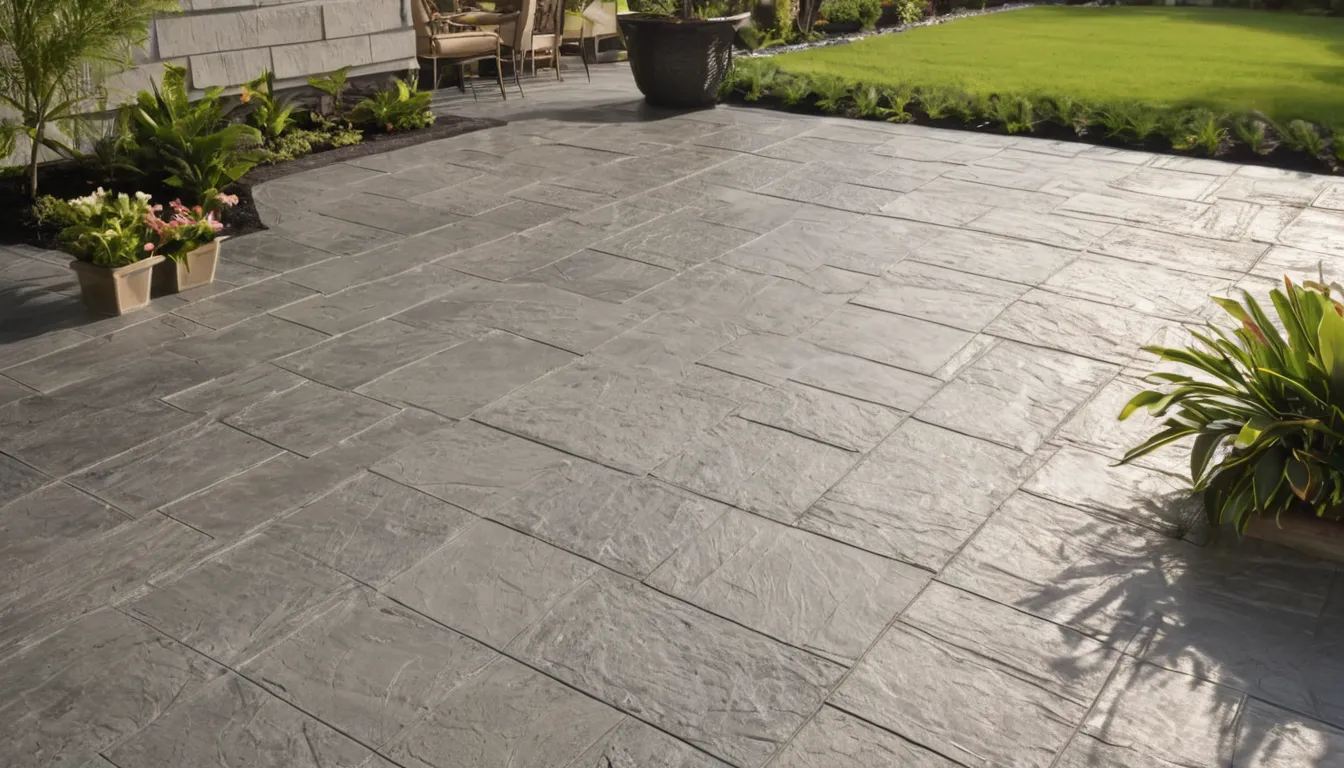
Stamped concrete is regular concrete pressed with patterns and finished with color. It can look like slate, stone or brick, but it is poured in one piece. That makes it a popular pick for patios, walkways, pool decks and entries around the Apopka area.
Lowestscale Concrete is a referral service. It does not pour or stamp anything itself. You share your project details, and Lowestscale Concrete connects you with an independent provider in our network. Older homes get extra attention here, because aging slabs and past patches can change the plan. A local provider can look at the base, the drainage and the pattern you like before any work is priced. Request an estimate to get started.
Stamped concrete is poured concrete with a pattern pressed into the surface and color added. This page works like a checklist. Read it, note your answers, then request an estimate.
Walk the area before you talk to anyone. Write down what you see:
These notes help a provider quote the job more accurately.
Many houses in the Apopka area are concrete block homes on slabs, built from the 1970s to the 2000s. Their patios and walkways may sit on thin or uneven base material. Past repairs can hide under old coatings. Stamping over a weak base shows every flaw. Check before pouring.
A hairline crack is a note, not an emergency. A crack that grows after each storm season is a warning. Take dated photos. Share them with the provider.
The order matters. Here is the usual sequence:
1. Remove the old surface or confirm the base is sound. 2. Set forms and grade the area so water drains away. 3. Pour the concrete, with color mixed in or added on top. 4. Apply a release agent so the stamps do not stick. 5. Press the pattern mats into the surface. 6. Cut control joints and let the slab cure. 7. Wash and seal.
Color can be mixed into the whole batch or applied to the surface. Mixed-in color holds up better if the top wears. Surface color can add depth, with a darker tone in the grooves.
Sealer protects color and slows stains. In a humid climate it also helps keep moisture out. Ask which type is planned and how it affects grip when wet.
Pick a pattern that suits the house, not just the sample board.
Soft grays, sand and warm tan tend to blend with tile and shingle roofs. Lighter shades stay cooler in strong sun.
Stamped concrete patios are the most common use. It also suits walkways, pool decks, porch landings and entry areas. This is decorative concrete flatwork, so a level, well-drained spot gives the strongest result.
Almost daily summer storms and a long hurricane season put heavy water on outdoor slabs. Ask the provider about slope, drainage and a slip-resistant sealer. Standing water leads to stains and algae.
Compare them side by side:
Neither is wrong. It depends on your soil, budget and taste.
Some slabs need other work first. Sinking, tilting or widening cracks near the house may point to a foundation issue, and foundation repair experts are a separate kind of provider. A worn driveway may call for concrete driveway repair instead. A good provider will tell you if stamping should wait.
Typical timing, though it varies by job size and weather:
Rain can move the pour date. Ask the provider for a backup plan.
Keep a simple routine:
Ask each provider these questions:
1. Can you show past stamped work? 2. How will you prepare the base? 3. How will you handle joints and drainage? 4. Which sealer will you use? 5. Is the quote in writing, with materials listed?
Providers in our network are independent. Always compare written quotes.
Gather your photos and notes. Then request an estimate. Prefer to talk it through? Request a callback to check provider availability.
A provider checks slope, base, old patches and drainage before suggesting a pattern.
Compare stone, brick and plank looks, plus color options that fit your home.
Control joints and proper slope help the slab shed storm water and limit cracking.
Learn which sealer is planned, how often to reseal and how to clean.
These are typical U.S. ranges. Real prices vary by size, pattern, base condition and local rates, so always get a written quote that lists materials and prep work.
| Item | Typical range | Notes |
|---|---|---|
| Basic stamped patio | $8 – $18 per sq ft | Simple pattern, one color, sound base |
| Complex pattern or multiple colors | $14 – $25 per sq ft | More labor and detail work |
| Old slab removal | $2 – $6 per sq ft | Needed if the old surface is failing |
| Base prep and grading | $1 – $4 per sq ft | Often higher on older, uneven sites |
| Sealer and resealing | $1 – $3 per sq ft | Repeat every few years |
| Small stamped patio, about 200 sq ft | $1,800 – $4,500 | Total job, depending on all of the above |
Tell us your location, size, pattern ideas and any cracks or old patches you see.
Lowestscale Concrete connects you with an independent provider in our network who handles stamped work.
The provider checks the base, drainage and condition, then explains options.
Review scope, materials and timing, then choose the provider that fits.
Projects are sorted into simple steps so you know what comes next.
Aging slabs and past repairs get extra attention before any quote.
Work is done by local providers in our network, not by Lowestscale Concrete.
Request an estimate, compare written quotes and decide at your own pace.
Request an estimate and tell us about your driveway or patio plan. A local provider in our network can follow up with next steps.
No obligationSometimes. The old slab must be solid, level and clear of major cracks. A provider may add a thin overlay, but failing or sinking slabs usually need removal first.
Many providers suggest resealing every two to three years. Sun, rain, foot traffic and humidity all change the timing. Ask your provider which sealer was used and what schedule fits your patio.
It can crack like any concrete. Control joints, a solid base and good drainage help limit it. Hairline cracks are common, so ask how the provider plans to handle them.
Request an estimate and tell us about your driveway or patio plan. A local provider in our network can follow up with next steps.
No obligation