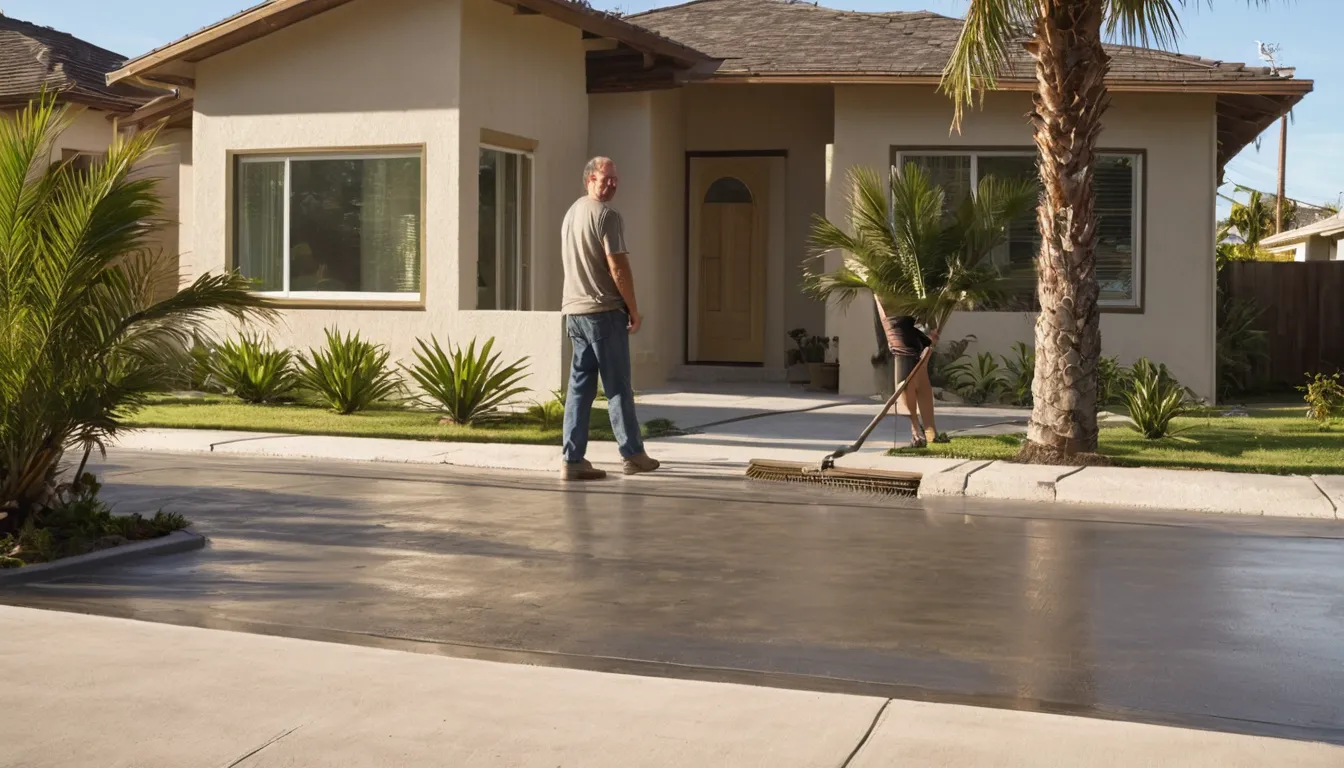
Can I pour a concrete driveway myself?
You can, but it is hard to get right. First, a driveway needs a firm base, correct slope and reinforcement. Next, concrete sets on a clock, so mistakes are tough to fix. A big pour also needs helpers and the right tools. Small walkways are easier. For a full driveway or large concrete flatwork, a local provider in our network usually makes more sense.
What should I expect when I request an estimate?
First, you send details about the project. Next, Lowestscale Concrete matches it with an independent local provider. Then the provider may ask for photos or visit to measure. You should receive a written quote that lists size, materials, base prep and finishing. Compare it with your plan. There is no obligation to accept, and you can ask questions at any step.
Is stamped concrete a DIY job?
Stamped concrete is one of the harder finishes to do yourself. Color, release agent, timing and stamping must all happen while the slab is at the right stage. Humid air and summer storms can change that timing fast. Most homeowners who want stamped concrete patios hire a provider with the right tools and practice. Ask to see sample finishes before you decide.
My house is older. Does that change a new concrete job?
Often, yes. First, look closely at what is already there. Older slabs may have thin spots, past patches or old fill underneath. Block homes from the 1970s onward can also have soil that has settled near the edges. A provider may need to remove old concrete or test the base. Check before pouring, so surprises show up early, not mid-job.
What early warning signs should I watch for?
Spot it early. Watch for hairline cracks that widen, low spots where water pools, crumbling edges and gaps between the slab and the house. Humid weather and heavy rain make these worse. Take dated photos. If a crack runs toward a wall or a door starts to stick, ask about foundation repair experts before planning new flatwork.
What safety steps matter during a pour?
Wet concrete is caustic and can burn skin. Heavy trucks and wheelbarrows add strain and tripping risks. Keep kids and pets away from the work area. Ask the provider how they will mark utility lines before digging and protect nearby plants, sprinklers and walls.
Will insurance cover a new driveway or patio?
Usually not. A new driveway or patio is normally an upgrade, and many policies exclude wear and age. Some policies may cover sudden damage, so check your policy. If a storm led to the project, providers can often help document damage for a claim. Ask your insurer before work begins.
How much does concrete cost, and how long until I can use it?
Costs vary by job. Typical U.S. ranges run roughly $6 to $15 per square foot for plain concrete and more for stamped finishes. Site prep, removal of old slabs and access change the total, so get a written quote. Foot traffic is often fine after a day or two. Vehicles usually wait about a week. Full strength takes around 28 days, and humid weather can slow curing. Concrete driveway repair work on an older slab may be priced differently, so share its age and condition.